What to notice
Look for the target field, aiming response, visible credit change and any rules panel. These are observable interface details, not evidence of a future outcome.
 1xbet india
A measured look beneath the surface
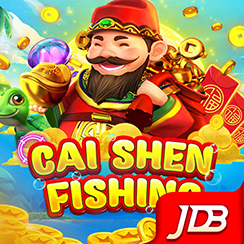
Cai Shen Fishing is an arcade-style fishing title built around a busy visual field, timed aiming and repeated shots. The image identifies the real listing; it does not predict a result or establish a payout.
This page explains how to read a round before deciding whether the pace suits you. A Cai Shen Fishing Demo, if shown for the account and region, is useful for learning controls rather than proving that real-money play will behave the same way.
Visual reading
The theme is a bright underwater hunt: moving targets, layered colour and quick visual changes make the screen feel active even before a player chooses a stake. Cai Shen Fishing is best approached as a sequence of controlled observations. Notice target movement, understand what each shot costs and keep the display from turning a near miss into a reason to continue.
The experience is not improved by pretending that animation is a signal. A lively scene can make a short session feel faster than it is. Compare the title with the calmer explanations on the Interstellar Run page if you want another example of how visual pace affects attention.
Look for the target field, aiming response, visible credit change and any rules panel. These are observable interface details, not evidence of a future outcome.
A large creature, a colourful effect or a previous hit does not make the next shot more likely. Keep the game's visual language separate from probability.
Player perspective
Useful reviews describe conditions instead of declaring a universal verdict. A player may ask whether the controls are legible on a small phone, whether the round consumes credit at a clear rate, whether the rules remain available during play and whether leaving the screen is straightforward.
“The helpful part was seeing the cost of each action clearly; I could decide my time limit before the visual effects took over.”
— A mobile reader reviewing control clarity“I wanted a demo-style look at the controls, not a promise about winning. That distinction made the game easier to evaluate.”
— A cautious player comparing access options“The round felt quick, so I counted the whole session rather than judging one successful shot.”
— A returning player focused on pacingFrom lobby to exit
Five visible stages
The exact interface can vary by provider and device. Use the sequence as a reading aid, then follow the current rules shown in the game itself.
First-session notes
New readers often focus on the largest target and overlook the accounting around it. Before the first round, check whether the interface displays the action cost, how quickly repeated taps can use credit, whether the rules explain target values and where the stop or lobby control lives. If any answer is hidden, the correct response is to pause.
For a broader account sequence, the step-by-step player guide covers eligibility, verification and mobile access. Those checks still apply when the game looks simple.
A quick pause
Use a short yes-or-no check before starting. A “not sure” answer is information: it means the next action should be reading or stopping, not increasing a stake.
These questions do not assess whether a game will win. They assess whether the choice is understandable and controllable. If the answer is yes, keep the scope small; if not, use the account and payment safety checks before continuing.
Keep the conditions together
A considered visit requires more than a game icon. Confirm the service is available for your age and location, use a route you can verify, protect the account, understand the current wallet terms and make sure the game rules can be read before action. Payment methods, promotions and regional access may change, so a previous experience is not a permanent guarantee.
The title, rules, action cost and account controls are clear enough for you to explain in your own words. If a demo is present, know exactly whether it is practice or funded play.
Use only money that can be lost without affecting necessities. Confirm ownership, fees, minimums and any withdrawal review before using the wallet.
You are not using the game to recover a loss, solve an urgent financial problem or escape distress. Take a break when attention or mood changes.
You know how to stop, sign out and contact official support. If the process asks for a private transfer, password or one-time code, leave it.
Cai Shen Fishing can be a visual discovery, but it cannot make an uncertain activity predictable. Treat every result as uncertain and keep your own limits visible.
Nearby formats
These real listings are related by category or attention style. They are comparison points, not recommendations and not links to fictional detail pages.
Use the game listing to inspect the current interface, then return to your own rules, budget and stop point. The page is an information aid, not a promise of access or outcome.
Games, services, payment methods, promotions and local requirements can change. Verify current information before using any service. No game or offer guarantees a result.